Strengthening social protection
- Supporting families most in need and easing their cost-of-living burden.
- Providing food, in-kind and cash assistance.
- Supporting humanitarian and social cases.
A comprehensive development initiative launched by the National Alliance for Civil Development Work (NACDW) to strengthen the social protection umbrella and support families most in need, through integrated convoys that reach governorates across the country and bring together the efforts of civil society organizations and partner entities.
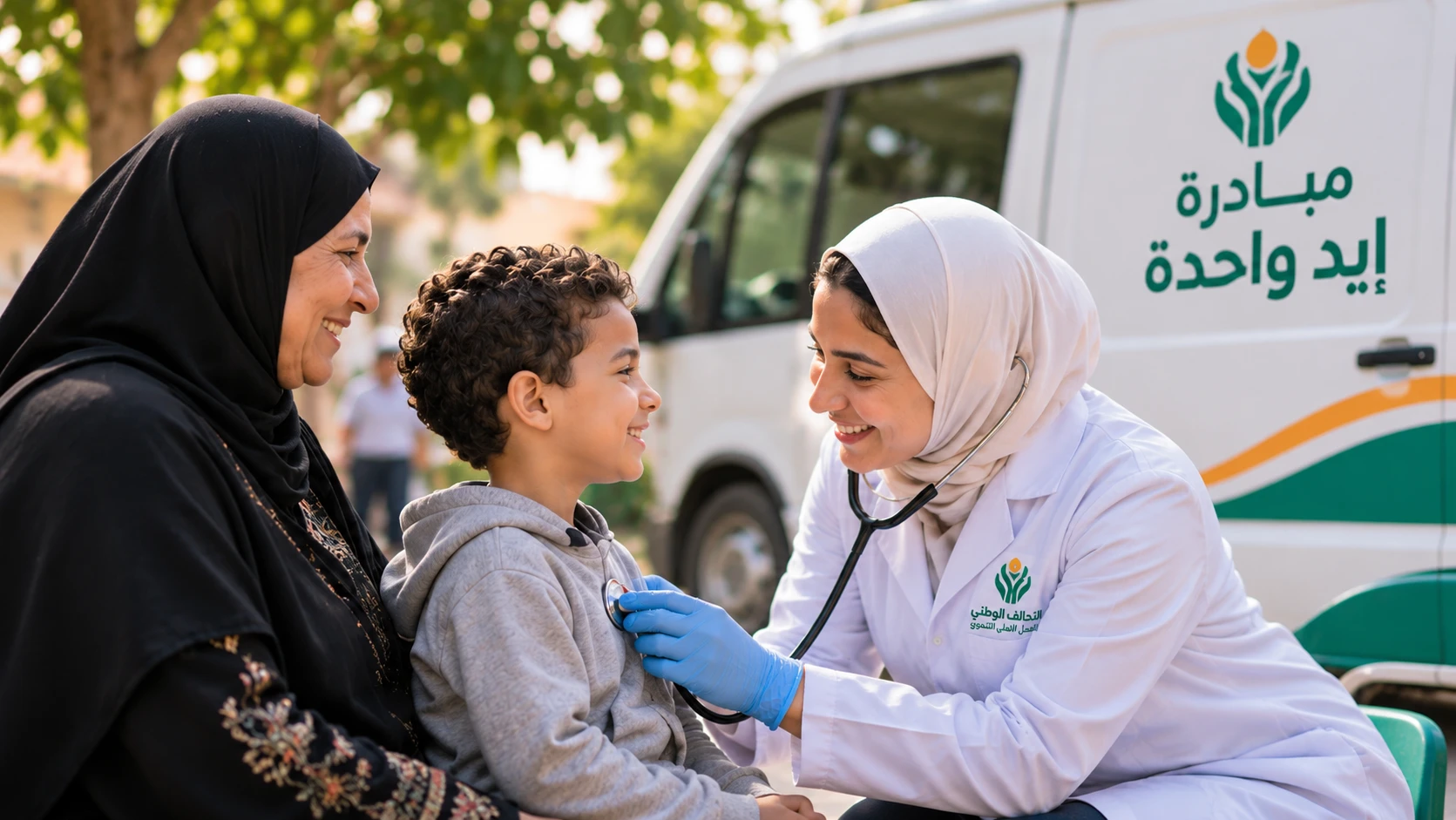
The initiative is built on uniting the efforts of civil society organizations under one umbrella, so that services reach eligible beneficiaries in an integrated way, rather than through separate interventions unconnected to the needs of the family and the local community.
It offers families integrated support that combines meeting basic needs with health and social care, while opening up opportunities for economic empowerment and a better quality of life. It was launched as the first comprehensive development campaign under the umbrella of the National Alliance, and has since evolved through successive phases of work and expansion.
The initiative uses more than one way of reaching beneficiaries, and services vary from one convoy to another according to the needs of each area and the entities taking part.
A group of Alliance member organizations take part to deliver a varied package of services in one area, so that beneficiaries find more than one type of service in a single place.
Carried out by member organizations according to their expertise and fields of work under the umbrella of the initiative, such as specialized medical convoys, eye care and early detection convoys, and veterinary convoys.
Reaching families most in need directly where they live, to identify their needs and deliver assistance to their homes, and to support those who find it difficult to travel to service delivery points.
Food boxes and parcels, hot meals, fresh meat, clothing, school bags and supplies, and shopping vouchers in some convoys.
Free examinations and treatment through clinics and medical convoys in multiple specialties, early detection, and intake of requests for surgical operations and medical follow-up.
Receiving humanitarian cases and requests from indebted men and women, providing social and in-kind assistance, and supplying wheelchairs and assistive devices for eligible cases.
Support for high-achieving students, cultural workshops and activities, mobile libraries and storytelling sessions in some convoys, carnivals, games and gifts for children, and environmental awareness activities.
Training in crafts and entrepreneurship, intake of requests for small enterprises and economic empowerment, awareness sessions for women, and seminars on family planning and health awareness.
Families most in need, families bearing economic and cost-of-living burdens, and residents of the villages and areas most in need that the convoys reach.
Children and young people, students including high achievers, older persons, persons with disabilities, patients and cases requiring medical care, indebted men and women and humanitarian cases, those seeking training and economic empowerment, and women benefiting from awareness and training activities.
The groups reached by each service vary according to the nature of the convoy and the needs of the area; not every convoy provides all services to all groups.
 Misr El Kheir Foundation
 Hayah Karima Foundation
 Life Makers Foundation
 Sonaa El Khair Foundation
 Resala Charity Organization
 Abou El Enein Foundation
 El Garhy Foundation
 Raei Misr Foundation
 Mersal Foundation
 Al-Baqiyat Al-Salihat Association
 Egyptian Food Bank
 Egyptian Cure Bank
 Al Orman Association
 Bibliotheca Alexandrina
 Al Joud Foundation
 Dr. Mostafa Mahmoud Mosque Association
 Bishopric of Public, Ecumenical and Social Services (BLESS)
 Coptic Evangelical Organization for Social Services (CEOSS)
Participating organizations change from one convoy to another according to the governorate and the nature of the services required; the names above are examples of organizations that have taken part in the initiative’s convoys, not a fixed list for every convoy.
Examples of the comprehensive convoys carried out in the governorates of Upper Egypt; each convoy’s services vary according to the needs of the area and the organizations taking part.
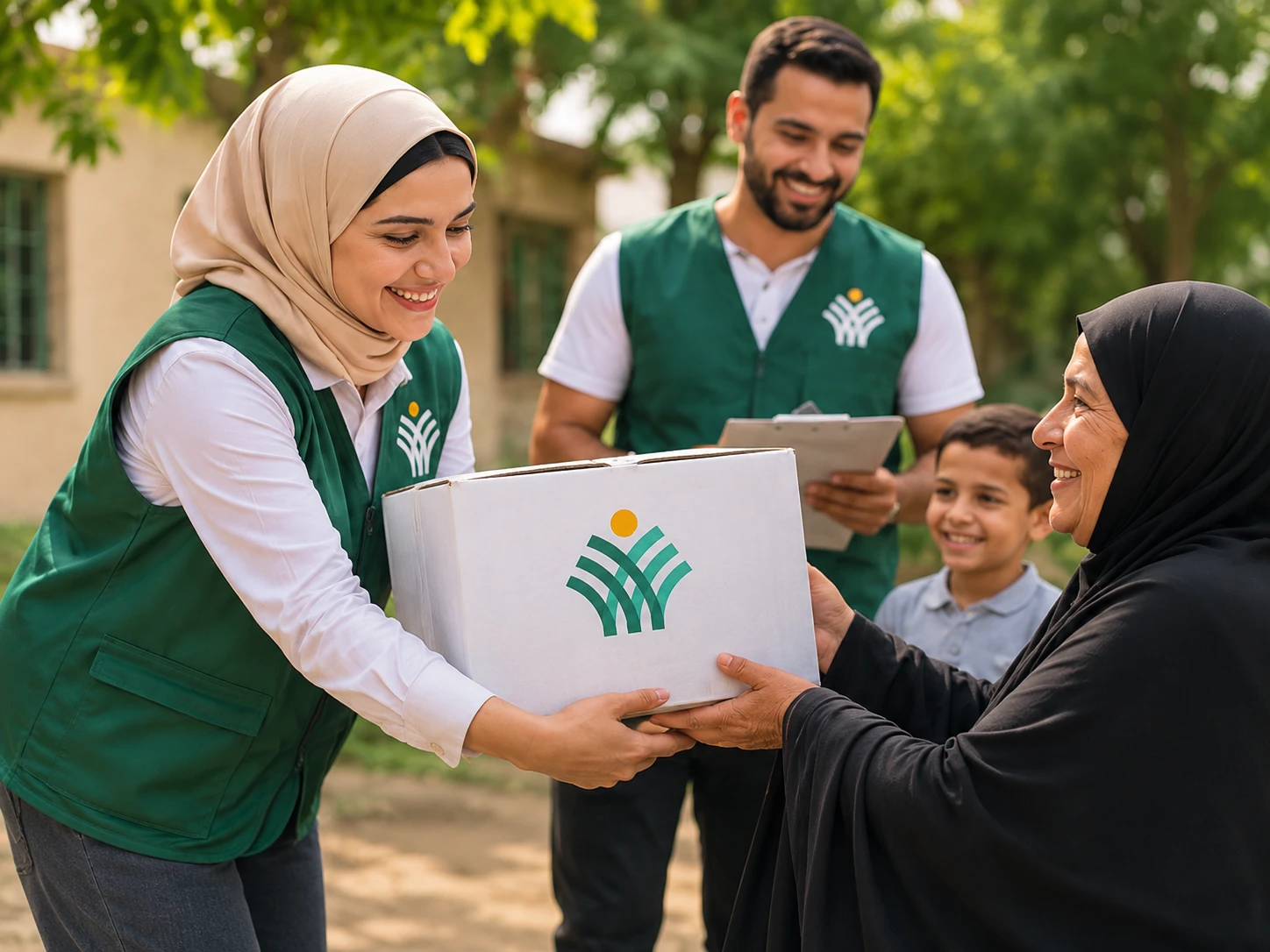
In the village of Kahk Al-Bahariya in Youssef El-Seddik district, the first stop on the comprehensive convoys’ route through Upper Egypt.
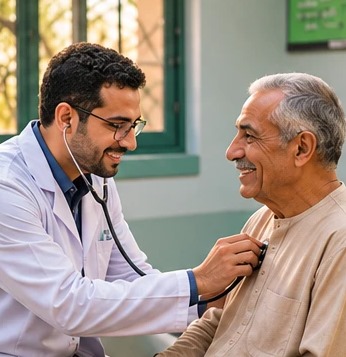
In the village of Banawit in El Maragha district, with the participation of foundations and associations from the National Alliance.
On the sidelines of the convoy, a visit was made to the village’s Family and Child Development Center, which is operated by Raei Misr Foundation, a member of the National Alliance.
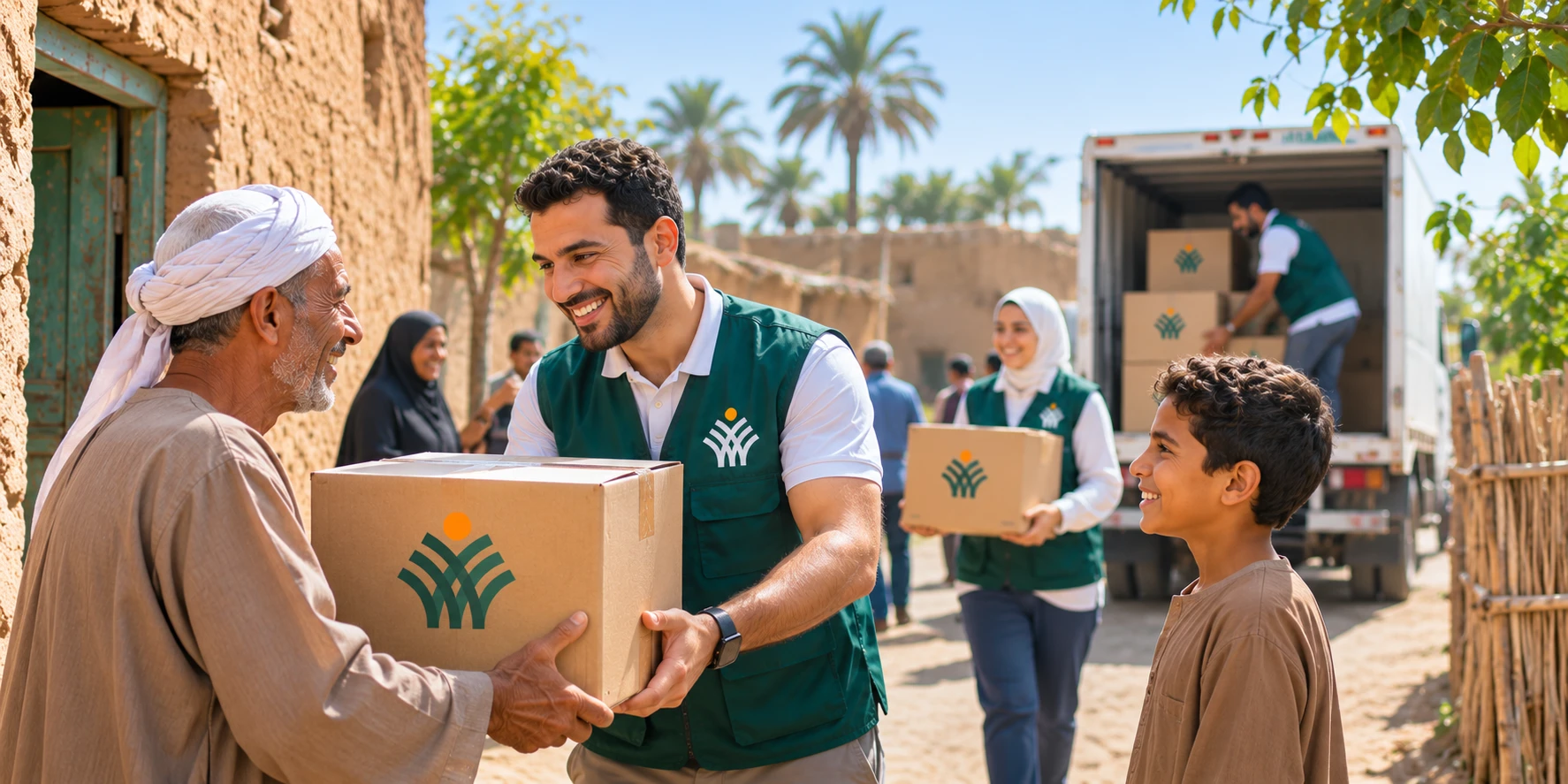
In the village of El Kobaniya in Aswan district, where the comprehensive convoys’ route through the governorates of Upper Egypt concluded, in cooperation with the Egypt Healthcare Authority and Aswan Governorate.
The impact the initiative seeks to achieve, based on the nature of its announced interventions; this is not an independent measurement of its long-term impact.